
The Future of Sweets: Why Sugar-Free is No Longer a Compromise
The $89 Billion Market That’s Reshaping the Candy Industry
The sugar-free confectionery market isn’t a niche anymore. It’s the future.
The numbers are undeniable:
- Market: $54.3 billion (in 2022)
- Projected by 2029: $89 billion
- Annual growth: 7.3% CAGR
That’s nearly $35 billion in new market opportunity in just seven years. For context, this growth is being driven by a fundamental shift in how consumers think about sugar—not as a guilty pleasure to indulge in, but as something to actively avoid.
Governments are accelerating this shift too. Sugar taxes, advertising restrictions, and health warnings are becoming standard across North America, Europe, and increasingly, Asia-Pacific. These are structural changes that signal where the entire food industry is heading.
Why Consumers Are Finally Serious About Sugar
Nearly half of consumers globally now actively eat less sugar to improve their health. This is a fundamental change in eating habits.
The motivation is clear: obesity, diabetes, and heart disease are reaching crisis levels in developed and developing nations. Consumers aren’t just making casual choices—they’re making deliberate changes to their diets. And they’re willing to seek out products that support those changes.
What’s particularly important: older consumers (Gen X and Boomers) are the primary drivers of sugar reduction. These demographics have purchasing power and brand loyalty. They’re not trying products once; they’re making permanent switches to lower-sugar alternatives.
Younger consumers, meanwhile, are approaching sugar differently. They’re less focused on “sugar reduction” alone and more interested in positive nutrition: protein content, functional benefits, clean ingredients, and gut health. This distinction matters—it means the winning products won’t just remove sugar; they’ll replace it with something better.
The Taste Problem Everyone’s Been Struggling With
Here’s where most sugar-free brands have failed: taste and texture.
For decades, the sugar-free confectionery category was defined by compromise. Products tasted artificial, had odd aftertastes, or crumbled in your mouth. Consumers tried them once and never came back.
But that’s changing. Companies are finally solving the taste equation by combining multiple sweetening systems—allulose (the fastest-growing sweetener), stevia, sucralose, and prebiotic fibers—to replicate sugar’s complex sweetness and mouthfeel. The latest Pepsi Zero Sugar reformulation shows that major brands are investing heavily in this challenge.
The confectionery category is particularly important. Candy, bars, and sweets are exactly where taste matters most. You can’t fake it with messaging. If the product doesn’t taste genuinely good—like actual candy—consumers will abandon it.
Why LBP Is Winning the Sugar-Free Revolution
This is where LBP enters the story.
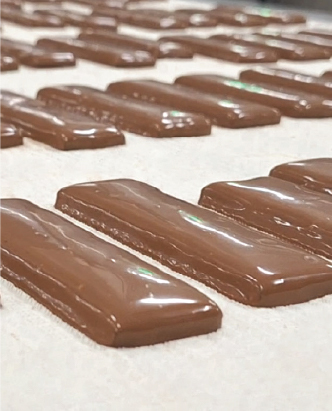
We didn’t just remove sugar from our products. We engineered them to taste indistinguishable from full-sugar confectionery. Our no-added-sugar bars taste like candy because we approached the problem as a flavor engineer, not a nutritionist cutting corners.
Here’s why we’re positioned for long-term dominance:
✓ Taste-First Design — Unlike competitors playing catch-up, our formulations prioritize taste. Our products are genuinely crave-worthy, which means repeat purchases and customer loyalty.
✓ Timing & Conviction — We didn’t jump into sugar-free as a trend. We built our foundation on the belief that sugar would be replaced—and we’re right. The market is validating our vision.
✓ Supply Chain Excellence — We’re not just making bars; we’re manufacturing at scale for European clients who demand the highest standards. Our production, certifications, and quality control are built to win in a regulated, quality-conscious market.
✓ Future-Proof — As governments tighten sugar regulations and consumer demand grows, brands will scramble for reliable manufacturing partners. LBP is ready.
The sugar-free revolution is here. The winners will be companies that understood early that taste isn’t optional—it’s everything. We got there first, and we’re staying ahead.
Sugar isn’t the future. Great taste without sugar is.