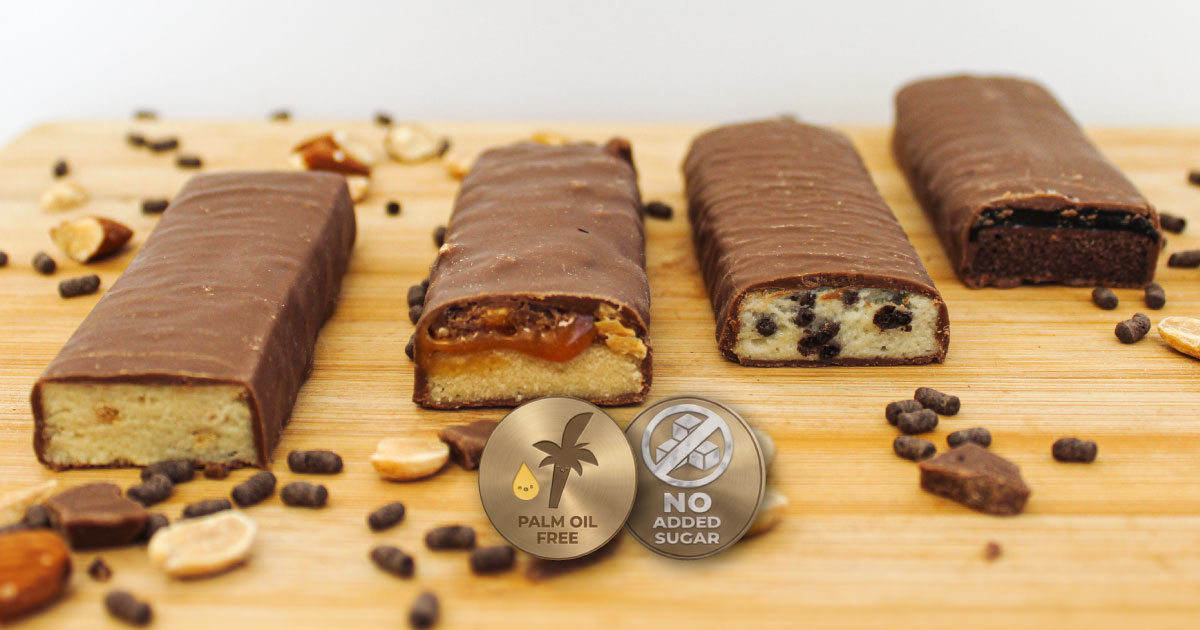
Clean Label vs. Contamination: How Protein Bars Without Added Sugar and Palm Oil Minimize Risk
Why Clean Label Matters in the B2B Snack Industry
Protein bars are In the highly competitive active nutrition space, brand reputation is everything. Today’s corporate snack buyers, gym distributors, and supermarket chains face an increasingly critical audience: health-conscious consumers who read ingredients lists before making a purchase. For a private label or white label brand, choosing the right contract manufacturing partner is a high-stakes decision. A single safety oversight or low-tier ingredient profile can dissolve retail trust overnight.
As major global markets experience unprecedented shifts, the phrase “Clean Label” has evolved from a marketing trend into a baseline operational requirement. But true clean label status goes far deeper than simply omitting artificial flavors. It represents a systematic commitment to purity, strict cross-contamination barriers, and manufacturing transparency. When production focuses on premium protein bars formulated without added sugar, palm oil, or gluten, the physical risks in the supply chain decrease dramatically.
The Hidden Risks of Traditional Formulations
Many standard commercial snacks rely heavily on cheap bulking agents, palm oils for texture stabilization, and high amounts of sugar syrups to mask taste defects. From a manufacturing and food safety perspective, these ingredients introduce complex supply chain vulnerabilities.
1. Heavy Metals and Ingredient Purity
Unregulated ingredient sourcing creates immediate exposure. Recent global industry data indicates that up to 47% of tested protein products failed safety thresholds for toxic heavy metals. This is a massive wake-up call for retailers who value long-term customer safety and corporate health compliance. By relying strictly on elite, fully audited raw materials, advanced factories eliminate hidden heavy metal risks before the processing stage even begins.
2. Cross-Contamination and Allergen Integrity
Failing to maintain distinct, certified separation lines leads to unintended allergen traces. In a professional B2B setting, a product marked “Gluten-Free” must meet absolute laboratory verification. If a facility processes lower-tier confectionery alongside high-performance functional food without rigorous line-clearing protocols, cross-contamination is inevitable.
Minimizing Risk: No Added Sugar, No Palm Oil, No Gluten
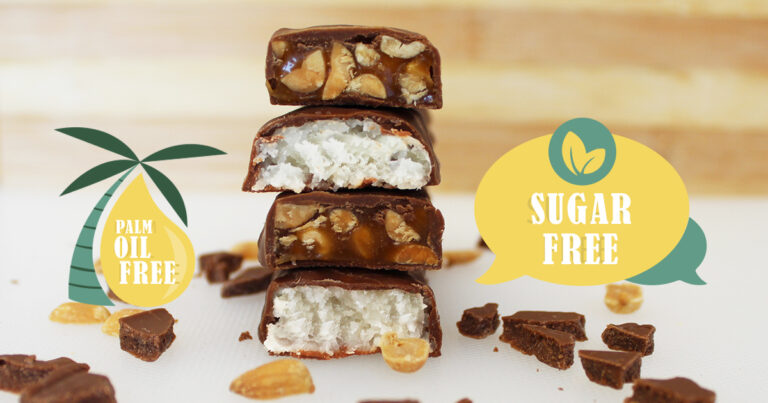
By stripping formulas down to real, functional ingredients, premium manufacturing facilities create an inherently safer production environment. Eliminating Added Sugars: Sugars and liquid syrups are highly hygroscopic, meaning they attract moisture. High-moisture environments in a manufacturing facility increase the risk of microbial growth. Opting for clean, alternative sweetening agents yields a microbially stable product batch after batch.
- Eliminating Palm Oil: Beyond the negative environmental sentiment that compromises modern brand positioning, palm oil requires specific thermal handling to remain liquid during mixing. Eliminating palm oil simplifies line cleaning procedures and removes structural processing risks.
- Guaranteeing Zero Gluten: Utilizing dedicated production streams for gluten-free products protects brand integrity and keeps items entirely safe for sensitive demographics.
The Ultimate B2B Advantage: Certified Safety Over Excuses
Confidence in raw quality is non-negotiable for international wholesalers and retail chains looking to scale across highly competitive regions like the EU, USA, and Middle East. When a brand chooses a manufacturing partner, they are not just buying a recipe; they are investing in the factory’s compliance infrastructure.
Top-tier private label manufacturers protect corporate clients by operating under precise global benchmarks:
- BRC A+ Certified Facility: The absolute gold standard for global food safety, ensuring immaculate plant hygiene and strict process consistency.
- HACCP & ISO Standards: Continually monitoring hazards at every critical control point, from raw bulk receipt to final automated packaging flow.
- HALAL & BSCI Compliance: Ensuring total ethical operations, environmental accountability, and cross-market accessibility.
Strategic Private Label Insight: Retail success requires rapid response times, but speed should never compromise safety. Turn-Key “Ready Solutions” utilize proven, pre-certified formulas to fast-track your path to retail shelves. This approach guarantees that your customized protein bars arrive on time, fully verified, and engineered to build long-term consumer desire.